

Every modern operating system needs a way to prove it is genuine, and today that process is changing fast. What once involved product stickers, long serial numbers, and manual checks has quietly moved into the background. Windows 11 shows how software activation is becoming less visible to users, while gaining more control behind the scenes.
For many people, activation only becomes noticeable when something goes wrong, such as a watermark or limited settings. That curiosity often sends users searching for clear answers, sometimes finding practical discussions here on Reddit. These conversations reveal a bigger shift. Activation is no longer just about entering a key, it is about how software connects identity, hardware, and trust.
From Product Keys to Digital Identity
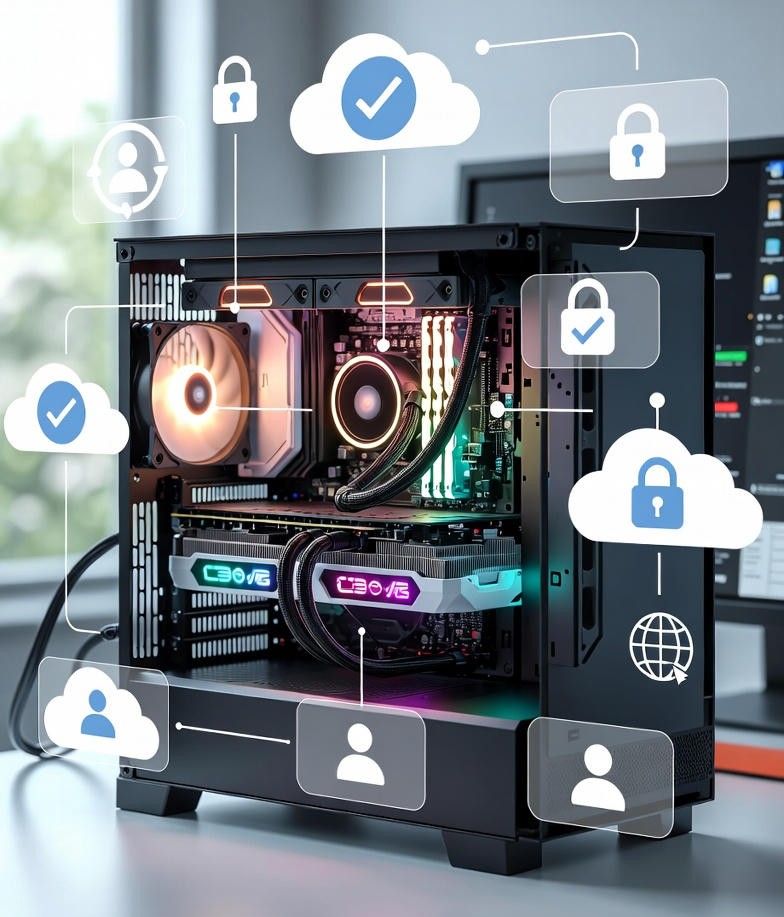
Older versions of Windows treated activation like a gate. You entered a key, the system checked it, and access was granted. The license lived with that code. Lose it, and problems followed. Windows 11 moves away from that model. Licenses now link to Microsoft accounts and hardware signatures.
This approach changes how people think about ownership. The operating system recognizes the device and the user together. Reinstalling Windows often activates automatically once the account signs in. The process feels lighter, but it is also more precise. The software knows where it belongs.
Hardware as Part of the License
Windows 11 activation is closely tied to the device itself. Components such as the motherboard play a role in how the system identifies a PC. This reduces casual copying and makes piracy harder without adding extra steps for most users.
At the same time, this design reflects a wider industry trend. Software is becoming aware of its environment. It understands where it runs and adjusts accordingly. For users, that means fewer interruptions. For developers and publishers, it means better protection with less friction.
Automation Makes Activation Invisible
One of the most important changes is automation. Windows 11 handles activation checks quietly in the background. Updates, driver changes, and feature upgrades rarely interrupt the user with license questions. The system verifies status through online services without drawing attention.
This is where the future becomes clear. As operating systems rely more on cloud services, activation turns into a continuous process rather than a single event. The system is always aware of its status. Users simply use their computers.
AI and Smarter Licensing Systems
Artificial intelligence will likely play a role in future activation models. Instead of rigid rules, systems can learn normal usage patterns. They can tell the difference between a legitimate hardware upgrade and suspicious behavior.
In this context, Windows activation becomes adaptive. AI can reduce false flags while improving security. This benefits users who upgrade parts or move between devices. It also helps companies respond faster to abuse without punishing normal customers.
Zero-Friction Licensing as the Goal
The direction is clear. Software companies want licensing that feels invisible. The best activation system is one users never think about. Windows 11 points toward that future by removing most manual steps.
Account-based access, cloud verification, and hardware awareness create a smooth experience. This model mirrors how streaming services, mobile apps, and online tools already work. Ownership becomes tied to identity and access, rather than physical proof.
What This Means for Software Ownership
These changes raise important questions. Do users own software, or do they access it? Windows 11 suggests a hybrid answer. You still buy a license, but how it is managed feels more like a service.
For most people, this trade-off feels fair. Convenience improves, setup time drops, and support becomes easier. Discussions about Windows activation now focus less on keys and more on accounts, devices, and recovery options.
READ ALSO: Windows 10 to Windows 11: A Seamless Upgrade
Looking Ahead
The future of operating system activation is quiet, connected, and intelligent. Windows 11 offers a preview of how licensing will fade into the background while gaining sophistication. As AI, automation, and cloud systems mature, activation will continue to feel less like a checkpoint and more like a natural part of computing.
In the years ahead, Windows activation will likely become even more seamless, reinforcing a broader shift in how people experience software ownership. The system will simply know who you are, what device you use, and what you are allowed to run, without asking twice.