

Advancements in engineering and architecture have led to the creation of mega structures, showcasing our ability to explore the ocean’s depths and reach for the stars.
Skyscrapers and Advanced Materials
Skyscrapers, like the Burj Khalifa in Dubai and the Shanghai Tower in China, are the defining features of urban landscapes worldwide. These architectural marvels push the boundaries of engineering with advanced materials like reinforced concrete and steel, enabling them to reach unprecedented heights while incorporating sustainable and energy-efficient designs, reflecting our dedication to a greener future.
Underwater Mega Structures
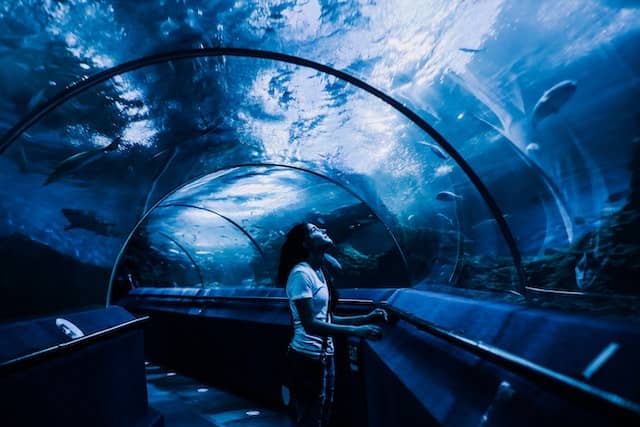
Beneath the surface lies a world of hidden mega structures, including submarines, underwater tunnels, and research stations. These engineering marvels enable us to explore the ocean’s depths, paving the way for resource exploration, scientific breakthroughs, and sustainable technologies despite the daunting challenges of the deep sea.
Space Elevators and Beyond Earth Mega Structures
Space elevators and mega structures in space ignite our imagination for the future. These theoretical concepts could significantly reduce the cost and effort required for space travel, paving the way for a new era of human presence beyond Earth. Orbital habitats and lunar bases represent the next frontier in extending human civilization into the cosmos.
Mega Dams and Energy Generation
Mega dams, such as the Three Gorges Dam in China, are engineering marvels integral to our energy infrastructure. They generate vast amounts of electricity and manage water resources for irrigation and flood control, highlighting the synergy between our energy demands and environmental responsibilities.
Mega Structures in Disaster Management
Lastly, mega structures play a pivotal role in disaster management, offering protection and support in times of crisis. Disaster-resistant buildings, flood barriers, and emergency shelters are designed to withstand the forces of nature and provide refuge to those affected by calamities.
In an era marked by increasing climate-related disasters, these structures serve as lifelines, safeguarding lives and communities.
Mega structures represent a testament to human innovation, pushing the boundaries of what is possible in engineering and architecture. Whether they reach for the skies, explore the ocean’s depths, or extend into the cosmos, these creations showcase our capacity to overcome challenges and shape the future.